
Ghana first to approve Oxford's Malaria Vaccine
NEWS
4/13/2023
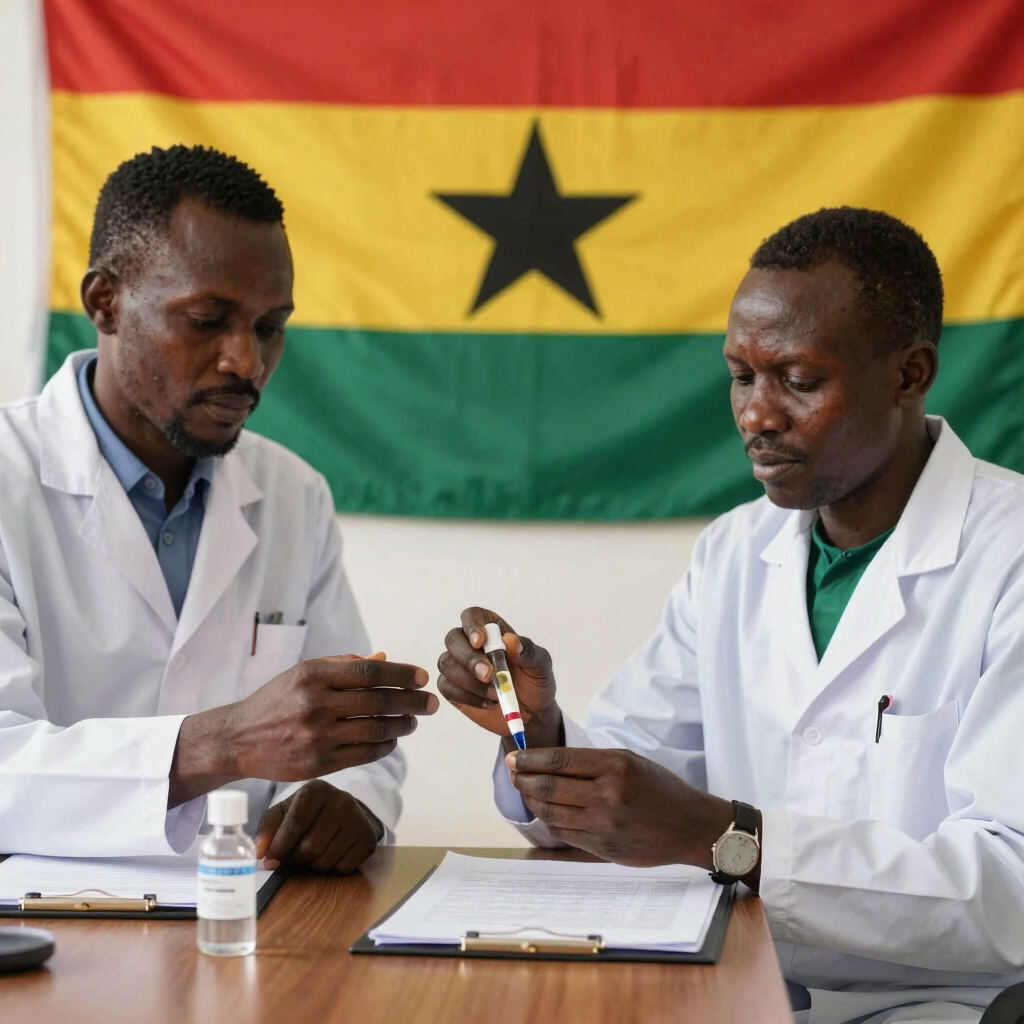
A new malaria vaccine developed by Oxford University has been given the green light by Ghanaian authorities for use in that country, a first for the much-hyped vaccine, according to a statement released Thursday.
The R21/Matrix-M vaccine, developed by Oxford University scientists and manufactured bv the Serum Institute of India, "has been approved for use in children aged 5-36 months, the age group most at risk of death from malaria," according to the University statement
"It is hoped that this crucial first step will enable the vaccine to help Ghanaian and African children effectivelv fight malaria," it said.
Malaria, a parasitic disease transmitted by mosquitoes, killed 627,000 people - mostly African children - in 2020 alone.
In September 2022, Oxford researchers had already expressed hope for the vaccine.
The approval in Ghana "marks the culmination of 30 years of malaria vaccine research at Oxford, with the design and availability of a highly effective vaccine that can be deliverec on an adequate scale to the countries that need it most," Oxford vaccine specialist Adrian Hill, head of the R21/Matrix-M program, said Thursday.
It is "a low-dose vaccine that can be manufactured on a large scale and at a modest cost, which would provide hundreds of millions of doses to African countries with a high malaria burden,"' he added.
The vaccine contains Matrix-M adiuvant, a vaccine ingredient patented by Novavax and also used in the U.S. biotechnology company's Covid vaccine
In 2021, another vaccine, produced bv British pharmaceutica giant GSK, became the first malaria vaccine to be recommended for widespread use by the World Health Organization (WHO). But research has shown that the effectiveness of GSK's vaccine was about 60% and declined sianificantlv over time, even with a booster dose.
According to a studv published in 2021, Oxford's R21/ Matrix-M Vvaccine was 77% effective in preventing malaria. This was the first time a vaccine exceeded the WHO efficacy target of 75%.
Africanews