
Female Genital Mutilation is a Violation of Human Rights, the Health, and the Integrity of Girls and Women
WOMEN’S HEALTH
2/6/2020
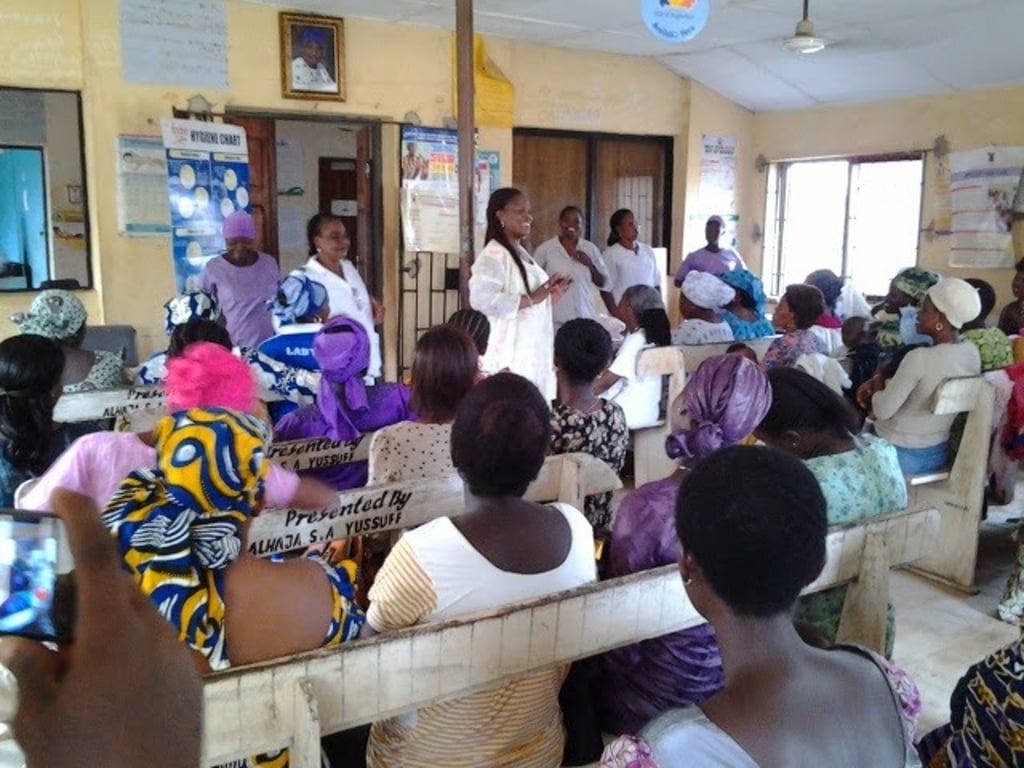
Female genital mutilation refers to all procedures involving the partial or total removal of external female genitalia or other injury to the female genital organs for non-medical reasons. The practice is deeply rooted in cultural, social, and sometimes misguided religious beliefs in certain communities, but it lacks medical justification and is widely condemned by international health and human rights organizations.
At its core, female genital mutilation represents a profound violation of human rights because it denies girls and women the fundamental right to autonomy over their own bodies. In many cases, it is carried out on minors who are not in a position to give informed consent, making it a clear violation of children’s rights as well. It is closely associated with gender inequality, reflecting social structures that prioritize control over female sexuality and reinforce discriminatory norms. International bodies have consistently affirmed that practices which cause harm to individuals without their consent and without medical necessity cannot be justified under the guise of tradition or culture.
The health consequences of female genital mutilation are severe and often lifelong. The procedure is frequently performed in unsterile conditions and without anesthesia, leading to immediate complications such as intense pain, excessive bleeding, infections, and in some cases life-threatening shock. Damage to surrounding tissues can also result in urinary retention and other acute medical problems. The risks do not end with the immediate aftermath; survivors may suffer chronic pain, recurrent infections, complications during menstruation, and significant reproductive health issues. Pregnancy and childbirth can become more dangerous, with increased risks of obstructed labor, obstetric fistula, and even maternal or infant mortality. These physical consequences are compounded by psychological harm, as many survivors experience long-term emotional distress, including anxiety, depression, and post-traumatic stress, particularly when the procedure is carried out during childhood by trusted individuals within their community or family.
Beyond its physical and psychological impact, female genital mutilation has significant social consequences. In some societies, it is wrongly perceived as a rite of passage or a prerequisite for marriage and social acceptance. This creates pressure on families to conform, even when they may recognize the harm involved. Such social expectations perpetuate cycles of harm and make it difficult for individuals to refuse the practice without facing stigma or exclusion. However, increasing awareness, education, and advocacy have begun to challenge these norms, with many communities re-evaluating long-held beliefs and choosing to abandon the practice.
Globally, efforts to eliminate female genital mutilation have intensified over recent decades. It is now illegal in many countries, and international organizations continue to promote its eradication through legal frameworks, education campaigns, and community-based interventions. These efforts emphasize the importance of protecting girls at risk, supporting survivors with medical and psychological care, and empowering women and communities to reject harmful traditions. While progress has been made in reducing prevalence in some areas, demographic growth and persistent social norms mean that millions of girls remain at risk each year.
Ultimately, female genital mutilation stands in direct opposition to the principles of dignity, equality, and bodily autonomy. Ending the practice is essential not only for protecting health but also for upholding the fundamental rights of girls and women to live free from violence and coercion, and to make independent decisions about their own bodies and lives.